Polar Bear Webcam at the Kansas City Zoo
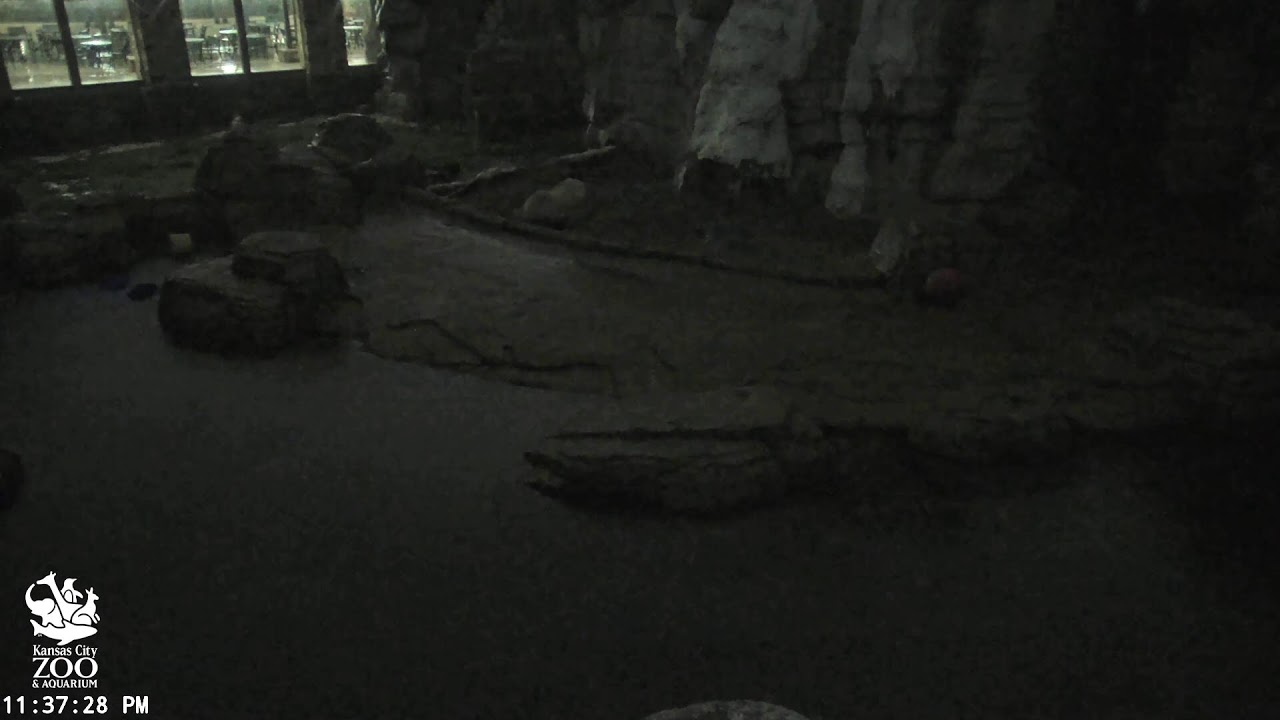
Kansas City Zoo Polar Bear Live Webcam
The Polar Bear Webcam at the Kansas City Zoo provides a live view of polar bears swimming, playing, and relaxing inside the Polar Bear Passage habitat in Kansas City, Missouri. The camera allows viewers to watch these powerful Arctic animals both above and below the waterline as they explore their enclosure.
Polar bears are incredible swimmers and can often be seen diving into the pool, gliding underwater, or interacting with enrichment toys placed in the habitat by zoo staff. The live webcam captures these behaviors in real time, giving viewers a close-up look at how polar bears move through their environment.
The Kansas City Zoo’s polar bear exhibit includes a large chilled pool, sandy play areas, and grassy spaces designed to mimic aspects of the polar bear’s natural habitat. The enclosure also provides multiple viewing angles so visitors and online viewers can observe the bears throughout the day.
The polar bear currently featured on the camera is Nuniq, a male polar bear born in 2016 who arrived at the Kansas City Zoo in 2020. Zoo caretakers provide daily enrichment activities to keep the bears active and mentally stimulated.
Live zoo webcams like this one are popular with wildlife enthusiasts and students who enjoy watching animal behavior in real time. Activity levels can vary throughout the day depending on feeding schedules, enrichment activities, and environmental conditions.
Whether the polar bear is swimming laps, exploring the exhibit, or relaxing in the sand, the Kansas City Zoo Polar Bear Webcam offers a fascinating look at one of the Arctic’s most iconic animals.
About the Kansas City Zoo
The Kansas City Zoo & Aquarium is located in Swope Park in Kansas City, Missouri and has been welcoming visitors since 1909. The zoo covers approximately 202 acres and is home to more than 1,700 animals, making it one of the largest zoological parks in the Midwest.
The zoo is divided into several themed areas representing wildlife from around the world. Visitors can explore exhibits featuring animals from Africa, Australia, Asia, and North America.
The polar bear habitat, known as Polar Bear Passage, opened in 2010 and includes a 140,000-gallon pool with underwater viewing windows that allow visitors to watch the bears swimming and diving.
Polar bears are native to the Arctic and are considered marine mammals because they rely heavily on sea ice to hunt seals and find food. Climate change and shrinking sea ice have created major challenges for wild polar bear populations, making conservation efforts increasingly important.
Zoos and wildlife organizations use exhibits and educational programs to help raise awareness about polar bear conservation and Arctic ecosystems.
Why Use This Cam
The Kansas City Zoo Polar Bear Webcam is popular with wildlife viewers around the world.
Viewers use this camera to:
Watch polar bears swimming and diving underwater
Observe polar bear behavior and enrichment activities
Enjoy a relaxing wildlife livestream
See how animals behave during changing weather conditions
Because the camera streams throughout the day, the polar bear may appear at any time.
Webcam Sponsor
Frequently Asked Questions
Where is the polar bear webcam located?
The webcam overlooks the Polar Bear Passage exhibit at the Kansas City Zoo in Kansas City, Missouri.
What animals appear on the camera?
The camera features polar bears living at the Kansas City Zoo.
Can polar bears swim underwater?
Yes. Polar bears are powerful swimmers and can often be seen diving and swimming through the exhibit pool.
When are polar bears most active?
Polar bears may be active throughout the day, especially during feeding times and enrichment activities.
Does weather affect the polar bear cam?
Outdoor weather conditions can influence activity levels, although the habitat includes temperature-controlled areas.