
Railroad Webcams
See railroad webcams and railcams here!


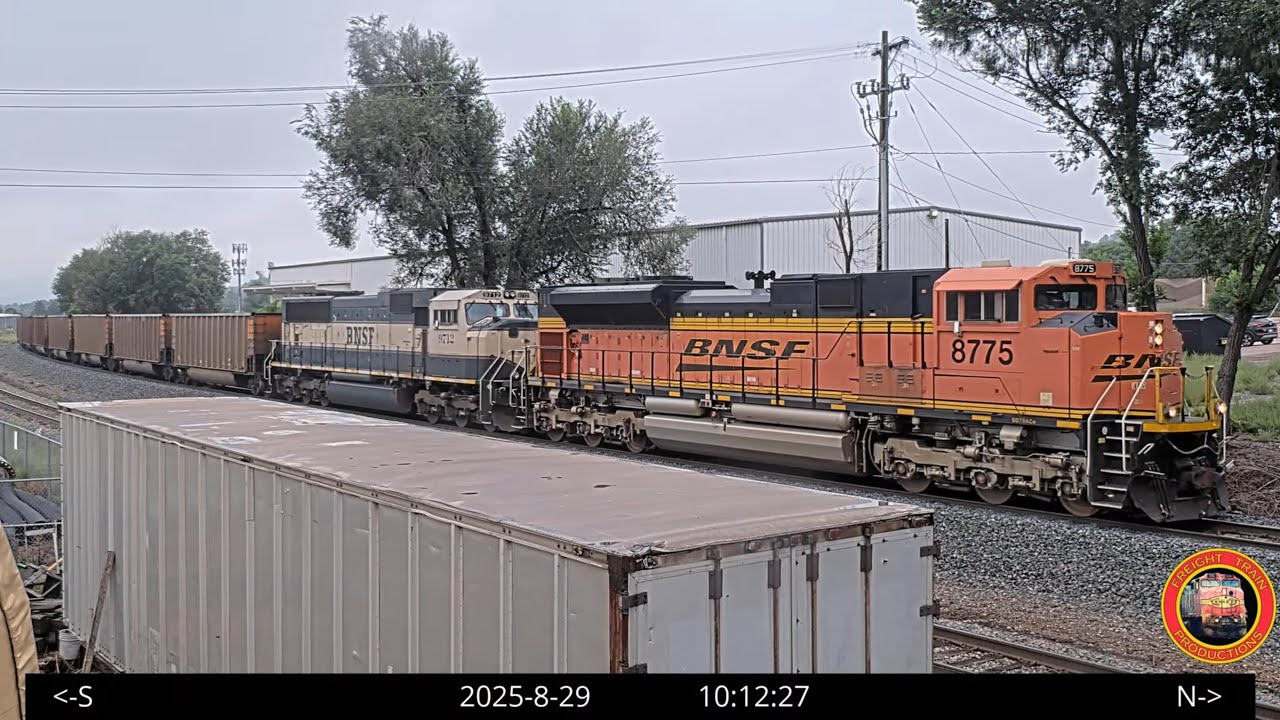







About Railroad Webcams
Live webcams featuring railroads have become an engaging way for rail enthusiasts, hobbyists, and the general public to experience the dynamic world of railroads from anywhere in the world. Set up at strategic points along active rail lines, these webcams capture real-time footage of trains, rail operations, and surrounding landscapes. Popular among both train watchers and casual viewers, these live streams offer a glimpse into the diverse activity of rail lines, from bustling urban crossings to scenic rural tracks.
Railroad webcams are strategically placed to capture various types of rail traffic and often show locations with historical or operational significance. Some webcams are set up at major rail hubs, where multiple lines intersect, showcasing a wide array of rail movements. These webcams frequently capture an assortment of freight, passenger, and sometimes even vintage trains, making them ideal for viewers interested in different types of rail equipment. Locations such as Chicago’s busy rail intersections or Tehachapi Pass in California provide ample rail traffic, while other cameras are set up in quieter, picturesque locations to capture scenic views of trains passing through stunning natural landscapes.
One of the most popular types of rail cams are those set up at freight yards. Yards are critical points in the rail network where trains are assembled, disassembled, or prepared for the next leg of their journey. A webcam at a busy freight yard provides viewers with the fascinating, behind-the-scenes process of rail transport, as rail cars are coupled, decoupled, and re-routed. Watching the logistics in action is not only captivating but also educational, offering insight into how freight is managed across vast rail networks. These webcams highlight the impressive logistics of modern rail systems, which are vital for moving goods efficiently across the country.
Another compelling feature of rail cams is that they offer a unique way to experience the changing seasons and weather conditions around the tracks. Rail fans can watch trains plow through snow-covered tracks in the winter, pass by colorful autumn foliage, or roll through vibrant spring and summer landscapes. Weather events like thunderstorms or snowfall add an additional layer of interest, especially in mountainous or challenging terrain where railroads face significant natural obstacles.
Rail webcams also serve as a valuable resource for model railroaders and enthusiasts studying specific rail lines or train models. By watching live feeds, they can observe train configurations, rail car types, and locomotive paint schemes that can inform their own model recreations. Additionally, railroad employees and engineers sometimes use these cameras to monitor rail conditions or assess train operations remotely, adding practical value beyond entertainment.
The technology behind these live webcams has also improved significantly, with high-definition cameras that provide crisp video quality, even in low light. Some webcam platforms allow viewers to control the camera’s movement, offering zoom and pan capabilities for a more interactive experience. Others feature multi-angle views, or sound integration so viewers can hear the train horns, track noise, and other ambient sounds that add realism to the experience.
Popular websites and streaming platforms host these webcams, making them accessible globally. Organizations such as Virtual Railfan and Railstream offer a range of cameras, covering numerous rail locations across the United States and beyond. Many of these streams are available for free on platforms like YouTube, enabling widespread access to rail content.
In summary, live railroad webcams provide a unique window into the world of railroading, combining real-time viewing with educational and recreational benefits. These streams cater to a wide audience, from avid rail fans and modelers to casual viewers who enjoy the spectacle of trains traversing different landscapes. By bridging the gap between digital technology and traditional rail infrastructure, rail webcams bring the movement, power, and history of trains to a global audience in an accessible, immersive format.