Yellowstone Volcano Webcam
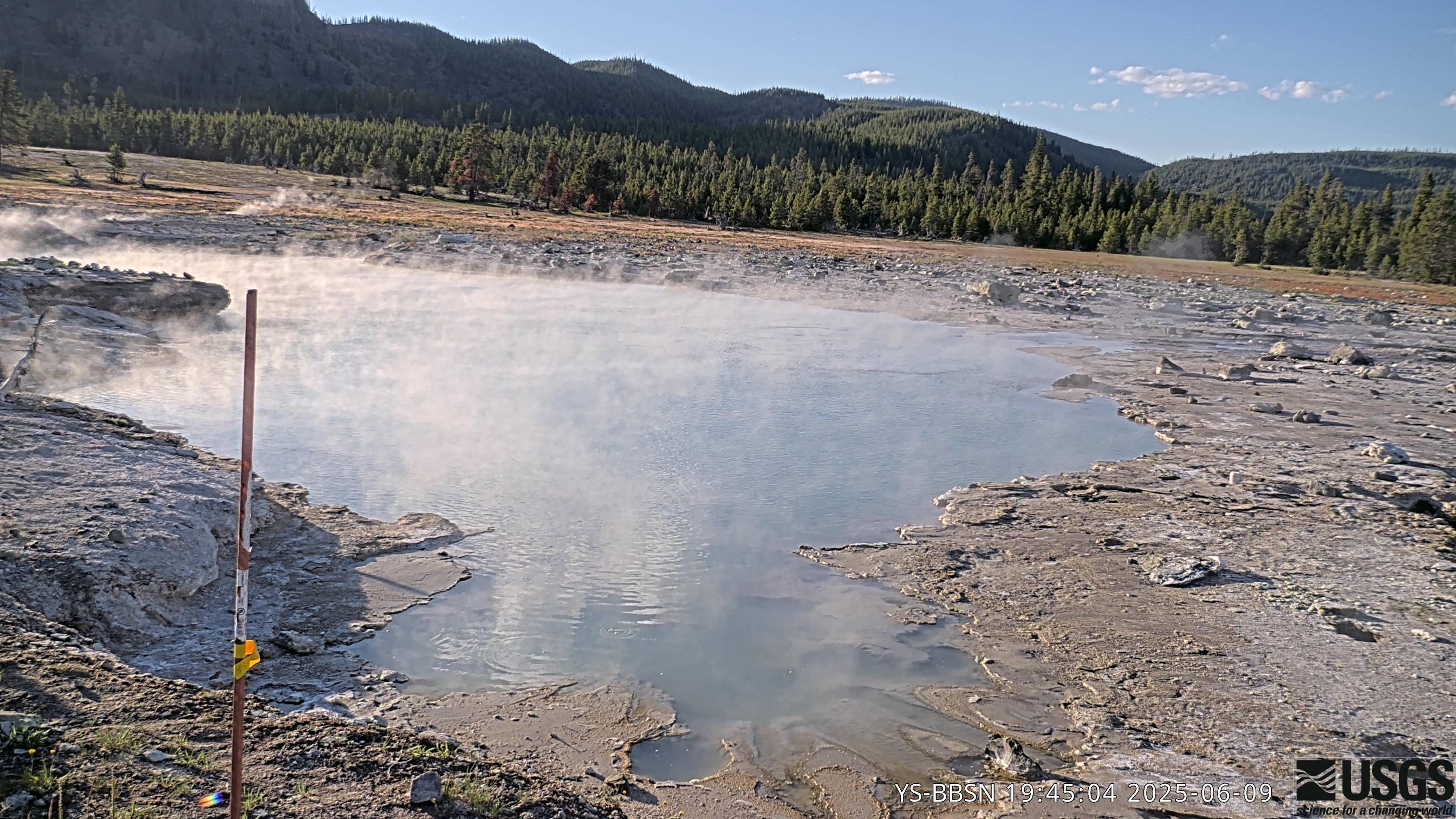
Biscuit Basin Yellowstone Webcam – Live Yellowstone Volcano Monitoring
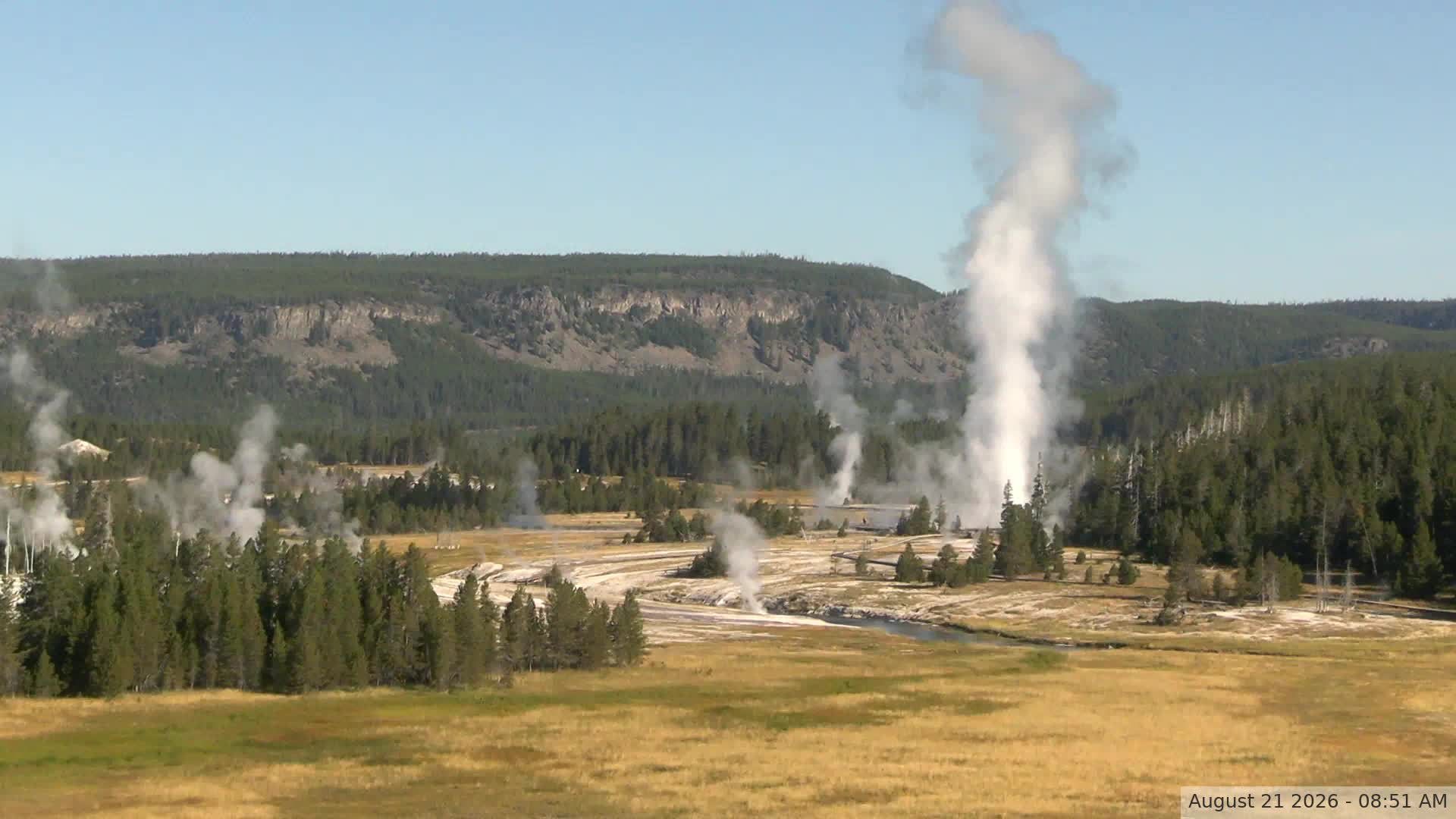
Welcome to the Biscuit Basin Webcam, offering live views of the Biscuit Basin area in Yellowstone National Park. This webcam is operated by the U.S. Geological Survey (USGS) as part of ongoing monitoring of the Yellowstone volcanic and geothermal system. Viewers can observe real-time activity in one of the park’s most dynamic thermal areas, where geysers, hot springs and steam vents reveal the powerful forces beneath the Earth’s surface.
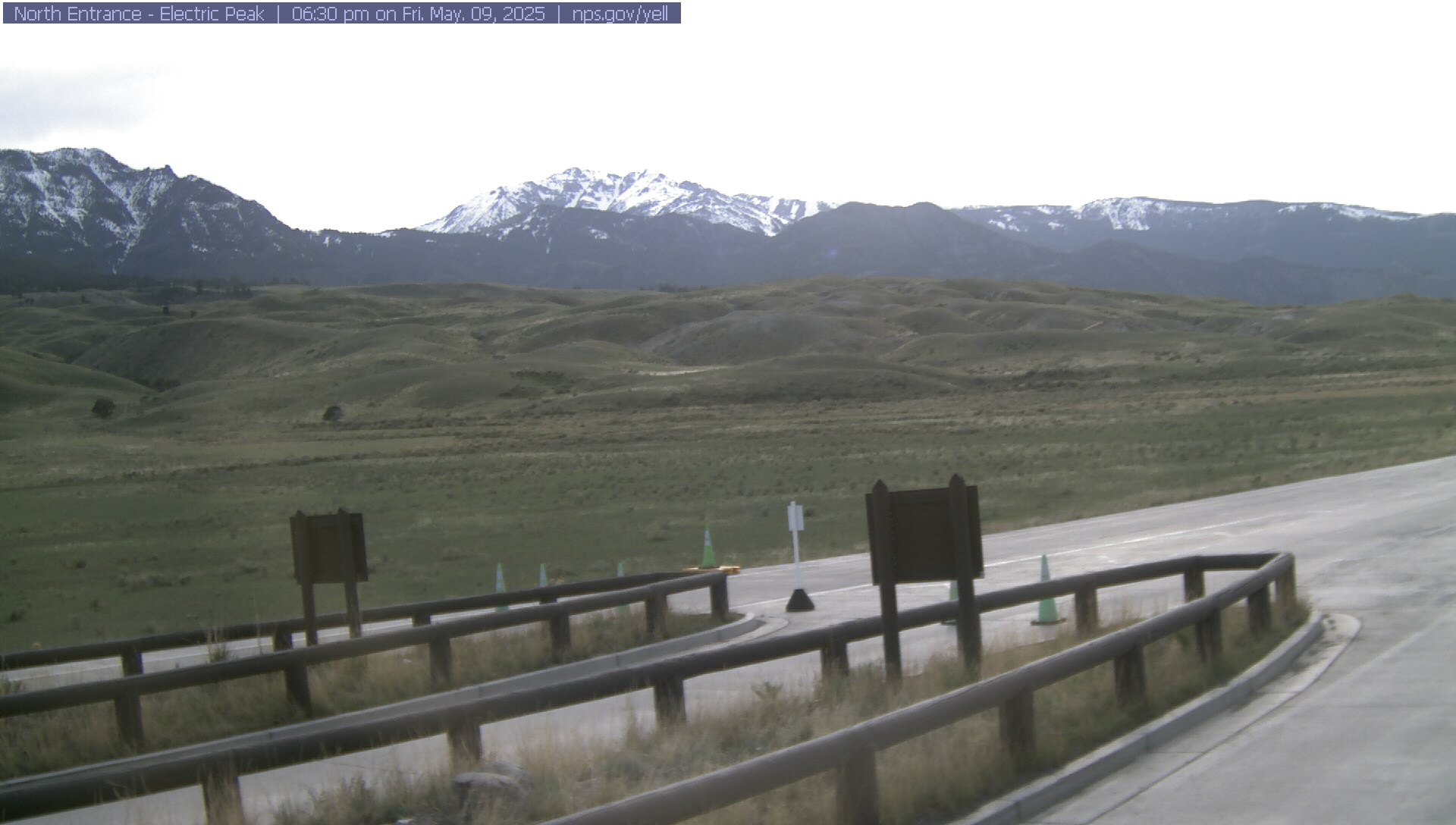
Biscuit Basin is located in the northeastern part of the Upper Geyser Basin, not far from iconic geothermal features like Old Faithful. The live feed provides a front-row seat to ever-changing geothermal conditions, including steam plumes, colorful mineral deposits and atmospheric variations that reflect weather and underground heat flow. Because the camera is part of volcanic monitoring efforts, it helps scientists and the public track subtle changes over time in this active volcanic region.
Yellowstone’s volcanic system is one of the largest and most studied on the planet, and the USGS Yellowstone Volcano Observatory maintains this webcam as a tool for both research and awareness. Whether you are interested in volcano science, geothermal landscapes, or simply enjoy captivating natural phenomena, the Biscuit Basin Webcam brings the park’s energy and beauty to you in real time.
History of Yellowstone National Park
Yellowstone National Park, established on March 1, 1872, is the world’s first national park. Located primarily in Wyoming, with small sections extending into Montana and Idaho, the park spans over 2.2 million acres, showcasing a diverse landscape of geothermal wonders, dramatic canyons, alpine rivers, lush forests, and abundant wildlife. Yellowstone’s history is deeply intertwined with the Native American tribes who have lived in the region for thousands of years, and who consider the land and its features spiritually significant. Evidence of their presence is found in petroglyphs, artifacts, and ancient trails throughout the park.
The idea of creating a public, protected area came about in the late 1860s. The first detailed exploration of Yellowstone took place in 1871, led by Ferdinand V. Hayden, a geologist and surveyor who saw the potential for scientific study, as well as the immense beauty of the area. The findings from the Hayden Expedition, including paintings by artist Thomas Moran and photographs by William Henry Jackson, were instrumental in convincing Congress of Yellowstone’s value. These images gave Americans their first glimpse of Yellowstone’s dramatic landscape, capturing public attention and inspiring a new era of conservation.
With Congress convinced of the need to protect the land from private exploitation, President Ulysses S. Grant signed the Yellowstone National Park Protection Act, creating the park “for the benefit and enjoyment of the people.” As a result, Yellowstone became a model for future national parks worldwide, setting a precedent for preservation. Initially, however, there was no funding or management structure in place, leading to challenges in enforcing the park’s protection. Over the following years, poachers and souvenir hunters threatened the delicate ecosystem, and it wasn’t until the U.S. Army took control of the park in 1886 that efforts to preserve its wildlife and landscapes were properly implemented. The Army managed the park until 1918, when the newly established National Park Service took over.
One of the park’s most famous features is Old Faithful, a geyser that erupts at regular intervals, earning its name for its predictability. Yellowstone is home to the largest concentration of geothermal features in the world, including geysers, hot springs, fumaroles, and mud pots. The park lies atop a supervolcano, one of the largest active volcanic systems on Earth. Geologists have identified three massive eruptions over the past 2.1 million years, with the most recent occurring around 640,000 years ago. Today, the magma chamber beneath Yellowstone fuels its geothermal activity and is closely monitored by scientists, though another eruption is not expected anytime soon.
Yellowstone is also home to an incredible variety of wildlife, including bison, grizzly bears, elk, wolves, and bald eagles. The reintroduction of wolves in 1995 is a notable event in the park’s recent history, representing a major effort to restore ecological balance. The return of wolves helped regulate populations of other species, leading to healthier vegetation and riverbanks.
Today, Yellowstone draws millions of visitors annually and remains an enduring symbol of natural beauty and the conservation movement. Its unique features and commitment to preservation remind us of the importance of protecting our natural heritage for future generations.
FAQ
- Where is the Biscuit Basin webcam located?
This webcam is located in Biscuit Basin within Yellowstone National Park, capturing geothermal and volcanic activity in the area. - Who operates the Yellowstone webcam?
The camera is operated by the U.S. Geological Survey (USGS) as part of the Yellowstone Volcano Observatory monitoring network. - What can I see on this live webcam?
You can see steam vents, thermal features, atmospheric changes and geothermal activity as they occur in real time. - Is the Yellowstone webcam live?
Yes, the webcam streams continuously, though visibility can vary depending on weather, steam and lighting conditions.