Homestead National Historical Park Webcam
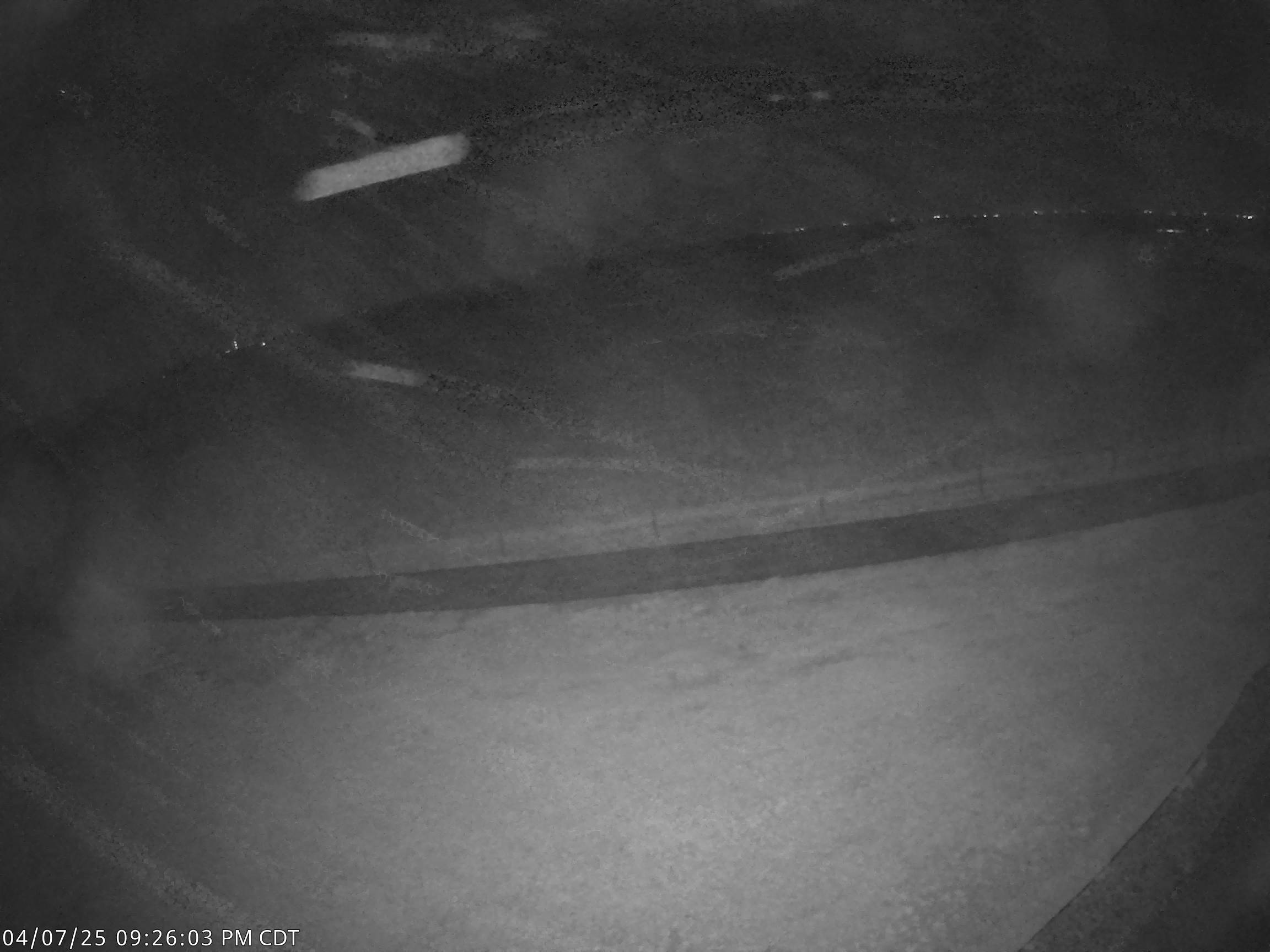
Homestead National Historical Park Webcam – Prairie View
The Homestead National Historical Park Webcam overlooks restored tallgrass prairie near the Homestead Heritage Center outside Beatrice, Nebraska. The wide view includes native grasses, scattered wildflowers, a paved walking path and the bur oak woodland bordering the prairie.
This is not farmland planted with a commercial crop. The National Park Service has restored approximately 100 acres of tallgrass prairie to represent the ecosystem that once covered much of the central United States. The restoration began in 1939 and is one of the oldest restored prairies in the National Park System.
The webcam is particularly good for watching seasonal changes. New growth turns the prairie green in spring, followed by wildflowers and increasingly tall grasses during summer. By late summer and fall, the landscape shifts to gold, rust and brown. Snow, frost and bare vegetation create a much starker scene in winter.
Weather is easy to observe across the open landscape. Visitors can check cloud cover, visibility, snow and whether strong wind is moving the grasses. Deer, birds and other wildlife may occasionally cross the view, although sightings are unpredictable.
The image updates regularly and includes a timestamp. It provides a simple but honest look at the prairie landscape preserved on one of America’s earliest homestead claims.
Watch the Tallgrass Prairie Through the Seasons
Tallgrass prairie changes constantly, even when the landscape appears quiet. Spring brings green shoots and wildflowers, while summer grasses may grow several feet tall. Deep roots allow native plants to survive heat, drought, grazing and fire.
By autumn, the prairie becomes a mixture of tawny grasses and seed heads. The low-angle light of morning and evening can reveal movement and texture that disappear in bright midday sun.
Winter exposes the underlying shape of the land. Snow can temporarily cover the grasses, while strong Plains winds create drifting and blowing snow. During warmer winters, much of the dormant vegetation remains visible.
Fire is an important part of prairie ecology. Carefully managed prescribed burns remove accumulated plant material, limit invading woody vegetation and return nutrients to the soil. Following a burn, portions of the webcam view may appear black before fresh vegetation emerges.
The camera also helps explain why trees are concentrated around streams and protected areas. Frequent fire, wind and limited moisture historically favored grasses across the uplands, while bur oaks and other trees survived more readily near Cub Creek.
About Homestead National Historical Park
Homestead National Historical Park preserves land associated with Daniel Freeman, one of the first people to file a claim under the Homestead Act of 1862. Freeman submitted his claim on January 1, 1863, the day the law took effect.
The Homestead Act allowed eligible applicants to claim up to 160 acres of federal land. To receive ownership, a claimant generally had to live on the property, construct a home, make improvements and cultivate the land. A filing fee was required, but the land itself was not purchased at market price.
Over the law’s 123-year history, nearly four million people filed homestead claims. Approximately 1.6 million successfully completed the requirements, and more than 270 million acres—about 10 percent of the United States—passed into private ownership.
The law created opportunities for immigrants, single women, formerly enslaved people and others who previously had limited access to landownership. It also carried enormous consequences. Much of the land described as available was the traditional or treaty territory of Native peoples. Expanding settlement displaced communities, reduced access to hunting grounds and water, introduced fences and livestock, and transformed native ecosystems.
The park interprets that complicated national legacy rather than only the story of one Nebraska farm. The Homestead Heritage Center contains the National Museum of Homesteading, while the Education Center explores agriculture and rural life.
Other features include the 1867 Palmer-Epard Cabin and the Freeman School, a one-room schoolhouse attended by some of Daniel Freeman’s children. More than three miles of trails connect the prairie, historic sites and bur oak woodland.
See Nebraska Park Webcams
Exploring the Prairie and Historic Homestead
The webcam’s prairie occupies part of Daniel Freeman’s original 160-acre claim. Restoring native grassland here allows visitors to see a landscape closer to what homesteaders encountered before widespread cultivation transformed southeastern Nebraska.
The Upland Prairie Loop provides the longest walk through the grassland. Shorter routes connect the Heritage Center with Cub Creek, the Education Center, Palmer-Epard Cabin and Freeman School.
The Palmer-Epard Cabin was not Daniel Freeman’s home. It was constructed on another Nebraska homestead in 1867 and later moved to the park as an example of a relatively substantial homesteader dwelling. None of Freeman’s original buildings remain.
Freeman School is original to the area. Built in 1872, it served local students for decades and became connected to an important court dispute involving religious instruction in public schools.
The prairie itself is one of the park’s most meaningful historical exhibits. It demonstrates what was lost as native grasslands were plowed, fenced and converted to agriculture—and what deliberate restoration can recover.
Planning a Visit to Homestead National Historical Park
The park is located west of Beatrice in southeastern Nebraska, approximately 40 miles south of Lincoln. The Heritage Center is the logical starting point for exhibits, orientation and views across the prairie.
Allow at least an hour for the museum and film. A longer visit provides time for the historic buildings and prairie trails.
Summers can be hot, humid and exposed, while winters bring cold wind, ice and snow. Spring and fall generally provide more comfortable hiking conditions. Ticks, snakes, poison ivy and rapidly changing weather are possible along the trails.
Visitors must remain on established paths through the restored prairie and woodland. Pets are limited to parking lots and designated mowed areas and are not permitted on park trails.
Why Use the Homestead Prairie Webcam?
- See current conditions near the Homestead Heritage Center.
- Watch restored tallgrass prairie change through the seasons.
- Check for snow, frost or wet weather before visiting.
- Observe wind moving through the native grasses.
- Watch spring growth and summer wildflowers develop.
- Look for deer, birds and other prairie wildlife.
- See how the landscape responds after a prescribed burn.
- Experience a portion of Daniel Freeman’s original homestead claim.
Homestead National Historical Park Webcam FAQs
Where is the Homestead webcam located?
The camera is at the Homestead Heritage Center west of Beatrice, Nebraska. It overlooks restored tallgrass prairie on land associated with Daniel Freeman’s original claim.
What does the webcam show?
The view includes native prairie, a walking path, scattered trees and the bur oak woodland bordering the grassland.
Is the webcam live?
The webcam displays an updating still image rather than continuous streaming video. A timestamp on the image indicates when the frame was captured.
Is this Daniel Freeman’s original homestead?
Yes. The national historical park occupies Freeman’s 160-acre homestead claim. However, none of his original buildings remain.
Why was the prairie restored?
The restoration helps preserve native tallgrass prairie plants and wildlife while showing visitors what the landscape looked like before widespread agricultural development.
Can wildlife appear on the webcam?
Yes. Deer, birds and smaller animals may cross the prairie, but sightings are unpredictable and animals may be difficult to identify at a distance.
How much land was distributed under the Homestead Act?
More than 270 million acres in 30 states—approximately 10 percent of the United States—were transferred through the Homestead Act.
Can visitors walk through the prairie?
Yes. The park has more than three miles of designated trails through the restored prairie and bur oak woodland.
More Nebraska Webcams
Explore more live views across the Cornhusker State with our Nebraska Webcams, Nebraska Traffic Webcams, Nebraska Weather Webcams and National Park Webcams.